

During the COVID-19 pandemic, mask mandates for children became one of the most debated public health policies. In some regions, notably in North America, children as young as two were required to wear masks for extended periods, both indoors and outdoors, in school and childcare settings. This contrasts sharply with many European countries, where masking was not recommended for children under six, and in some cases, not under twelve.
A recent paper published in Paediatric Respiratory Reviews by our Rational Ground friends, Dr. Tracy Høeg, Ram Duriseti, Jeanne Noble and colleagues (they’ve been busy!) examines the existing evidence on the effectiveness of masking children to prevent COVID-19 and other viral respiratory infections. The authors also explore the potential harms associated with prolonged mask usage in children.
Key Findings
Lack of Robust Evidence for Effectiveness
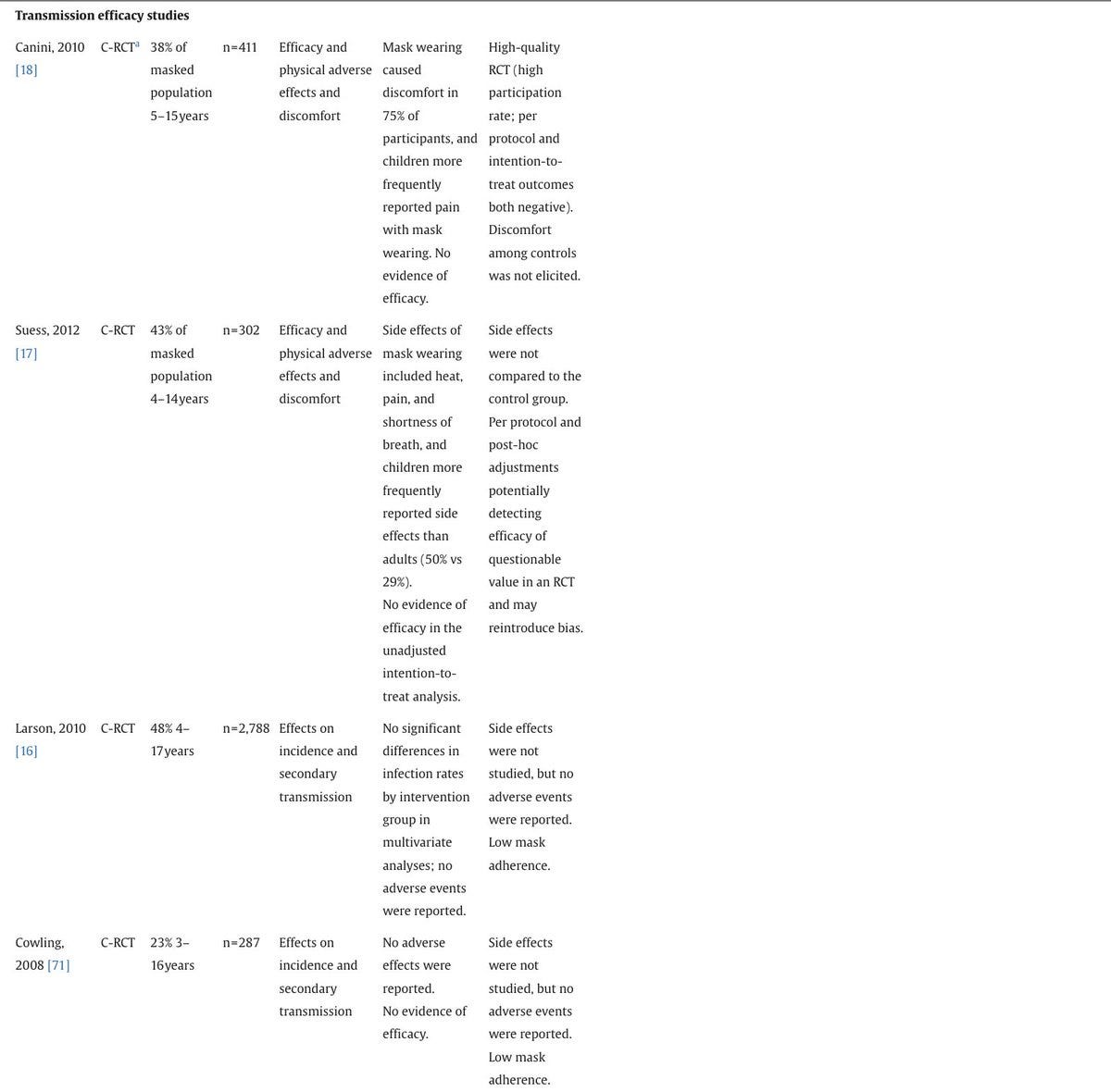
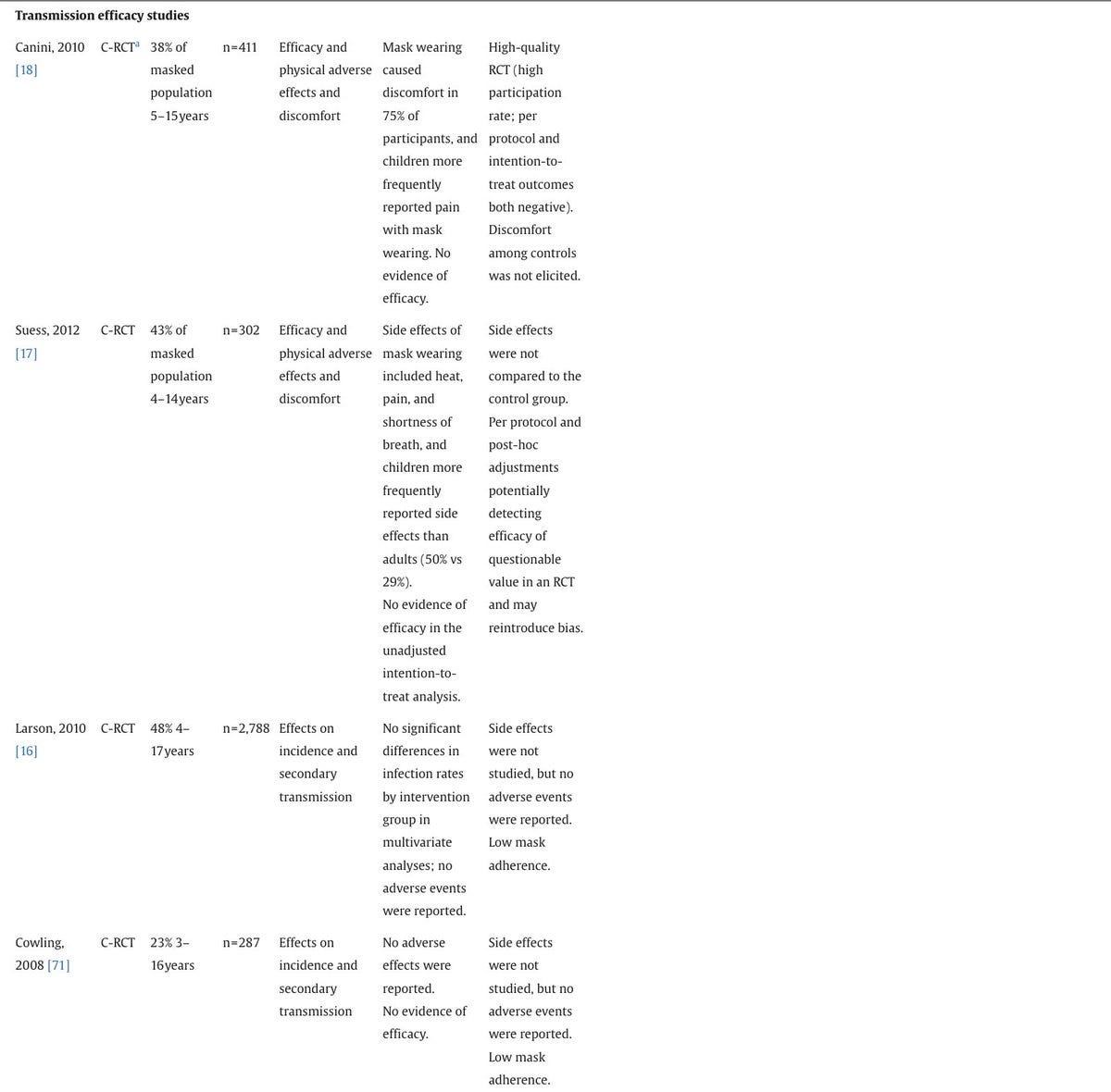
No High-Quality Evidence: The review found no strong evidence from randomized controlled trials (RCTs) demonstrating that masking children effectively reduces the transmission of SARS-CoV-2 or other respiratory viruses.
Negative Results in RCTs: Previous cluster RCTs that included children (23-48% of participants) did not show a significant benefit of mask-wearing in preventing viral respiratory infections.
Mechanistic Studies vs. Real-World Effectiveness: While laboratory studies suggest masks can reduce viral transmission, these findings have not consistently translated into real-world effectiveness in community settings.
Potential Harms of Masking Children
Speech and Language Development: Masks can hinder the ability of children to perceive facial expressions and lip movements, which are crucial for language acquisition and comprehension.
Learning Challenges: Visual cues play a significant role in learning. Masks may impede a teacher's ability to convey information effectively and a student's ability to understand.
Emotional and Social Development: Facial expressions are essential for emotional recognition and social interaction. Masking can affect children's ability to develop trust and empathy.
Physical Discomfort: Prolonged mask-wearing can cause discomfort, skin irritation, and may reduce the time and intensity of physical exercise.
Communication Barriers: Masks can make it harder for children, especially those with hearing impairments or learning disabilities, to understand spoken language.
Ethical Considerations and Public Health Policy
Lack of Harm-Benefit Analysis: The authors argue that mask mandates for children were implemented without sufficient consideration of potential harms versus unproven benefits.
Inconsistent Guidelines: The U.S. Centers for Disease Control and Prevention (CDC) recommendations for masking children differ significantly from international guidelines, leading to public confusion.
Need for Transparency: Clear communication from public health officials about the criteria for implementing and withdrawing mask mandates is essential to maintain public trust.
Discussion
The review emphasizes the importance of evidence-based public health interventions, especially when they affect vulnerable populations like children. The authors highlight that:
Medical Ethics: Interventions should be supported by high-quality evidence and include harm-benefit analyses.
Individual Choice: In the absence of strong evidence, masking decisions for children should involve parental input and consider individual circumstances.
Future Public Health Threats: For any future outbreaks, policies should be informed by robust data, and any measures implemented should have clear exit strategies.
Educational Aims
Readers of the article are encouraged to:
Understand the current evidence regarding the benefits and harms of mask use by children.
Recognize the diversity of concerns associated with mask mandates for children.
Appreciate the importance of transparent communication from public health officials about medical interventions.
Conclusions
The authors conclude that:
Ineffectiveness of Child Masking: There is insufficient evidence to support mask mandates for children as an effective measure to prevent the spread of COVID-19 or other respiratory viruses.
Documented Harms: The potential harms of masking children are diverse and significant, affecting various aspects of their development and well-being.
Policy Recommendations: Mask mandates for children should be reconsidered, and future public health recommendations should be based on high-quality evidence that thoroughly weighs benefits against harms.
Future Research
The article suggests:
Conducting well-designed RCTs to evaluate the effectiveness of masks in preventing respiratory infections in children.
Investigating the long-term impacts of mask-wearing on children's development.
Ensuring that any new public health interventions undergo rigorous testing and are accompanied by transparent communication strategies.
Access to the Full Study
For those interested in a deeper dive into the research, the full article is available in Paediatric Respiratory Reviews.
Additional evidence
https://theylied.ca/Masks.shtml
.
They Lied. Join the campaign to Take Action and Raise Public Awareness at
https://TheyLied.ca/
https://timothywiney.substack.com/p/signs-that-didnt-age-well